
CMS is used to create images and publish digital content on a website, without any technical or coding skills. Non-tech users can add and delete content through a friendly interface. But as we evolve, custom content management system development in 2026 will be redefined by AI-driven personalization, headless architecture, and heightened automation and security.
Are you looking to build or planning to update an existing website? Or looking to build a website from the ground up, which brings more traffic to your website? You must be juggling a list of questions! Don’t worry… Here we have detailed information about CMS development, the future trends shaping in 2026, and a lot more.
Let’s get deep dug in and know all about how to build a custom CMS development.
Quick note:
- The CMS market is experiencing a strong CAGR, with estimates ranging from 7.68% to 98% in 2026.
- CMS platforms are used by 68.7% of all websites.
- WordPress, Shopify, Web Flow, Wix, and Magento are some of the top CMS in 2026.
- WordPress holds 62.7% market share, followed by Shopify, 6.4%, specifically in the e-commerce sector.
- Generative AI, Low-code/no-code, headless, and hybrid CMS are some of the key trends shaping content management system development.
Let’s know the top key trends that will hold the CMS market in 2026.
Table of Contents
Top CMS Trends In 2026
Looking to develop a custom CMS? Before making a roadmap structure, know the top trends that will enhance the performance of the website, and create a high-quality performance solution. Let’s explore!
Generative AI:
Generative AI learns from large datasets, studies user behaviors, targets the audience, and offers results by studying all of them deeply. AI offers creative content and optimization, streamlining processes with smart recommendations and automated drafts.
Cloud Deployment:
Cloud-hosted CMS solutions offer better scalability across platforms and devices. Enhanced remote collaboration, performance, and cross-border delivery make them attractive to small teams and large enterprises alike.
Headless CMS:
A Headless CMS continues because it separates content management from front-end and back-end presentation, enabling omnichannel delivery and API integration with apps and services.
Workflow Automation:
Enhancing the productive environment among the team by automating analytics, approvals, and content publishing.
Security and Compliance:
As we evolve, security is prioritized by users. Improved compliance features to adhere to data privacy laws and preserve user confidence.
Prioritize User:
Smarter applications analyzing user behaviour, which enable anyone with different technological expertise to use.
Conversational UX and AI Chatbots:
Integration of AI chatbots and conversation interfaces enhances the application performance, where users can interact, support queries, and guide journeys without external plugins.
So far, we have looked at how trends support developing a content management system in 2026 and help to bring more traffic to websites. Now, let’s move further and know the best content management systems in 2026, which dominate the web market.
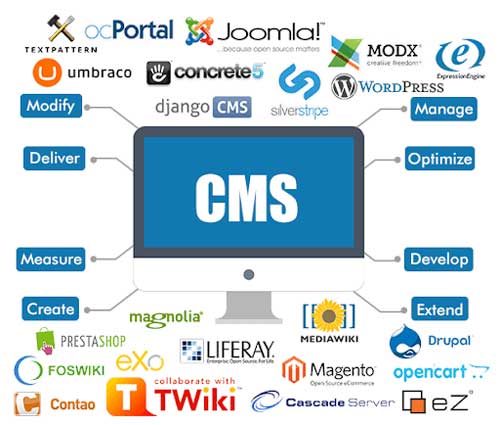
Top Major Content Management Systems In 2026:
Building a website needs the right cms platform, which enhances streamlined workflow, cost-effective, scalable growth, and offers flexible and customizable designs through themes and plugins. So let’s know the top content management systems.
Shopify:
Shopify is a free, open-source platform that helps people who are looking to build online e-commerce platforms just like Myntra. It allows non-tech users to build websites on their own. You can manage your online store by selling products online, managing inventory, integrating secure payment systems, handling shipping, and tracking orders.
What makes it different from other platforms?
- All-in-one e-commerce solution manages the store from payment to tracking orders
- Cloud-hosted, where you won’t need to buy or manage hosting
- Built-in payment gateway
- Automatic updates and backups
- Supports multi-channel selling
Who Is It for?
- Beginners and non-tech users
- Small business owners
- Dropshippers
- Retailers with physical stores
- Content creators and influencers
WordPress:
Do you know? Around 40% of the websites on the internet use WordPress. WordPress is an open-source content management system used to create and manage websites such as blogs, business websites, portfolios, news sites, and online stores using plugins like WooCommerce.
What makes it different from other platforms?
- Full control over hosting choice
- Supports any type of website
- Allows media management system (image, videos, files)
- Scalable for small to enterprise websites
- Thousands of plugins and themes in the ecosystem
Who is it for?
- Bloggers and content creators
- Developers and designers
- Agencies and freelancers
- Startups and entrepreneurs
- Educational institutions
Web Flow:
Web Flow helps to create a website from scratch without any need for code. Users can design, build, and launch fully responsive websites without any technical skill or knowledge. It combines with visual design tools, CMS functionality like WordPress, and hosting deployment just like Shopify.
What makes it different from other platforms?
- Free and premium design templates
- Enable headless CMS setups
- Allows integration with third-party tools
- Enables easy site structure control
- Allows user access control
Who is it for?
- E-commerce sellers
- Non-profit organizations
- Large enterprises
- Small businesses and startups
- Developers and sellers
Wix:
Wix is a cloud-based website builder that allows users to create websites visually using drag-and-drop tools without coding. Wix allows users to create websites with thousands of themes and designs without costing anything.
What makes it different from other platforms?
- Beginners and non-tech users
- Hundreds of free-designed templates
- Premium plans with additional features
- Automatic backups and updates
- Animation and visual effects
Who is it for?
- Event planners and service providers
- Artists and creatives
- Bloggers and content creators
- E-commerce sellers
- Freelancers and agencies
Magento:
Magento is an e-commerce platform designed for businesses that need scalable, customizable, and professional online stores. Magento comes in two main editions: one with a free, self-hosted version with full customization, and a paid version with advanced features, support, and cloud hosting.
What makes it different from other platforms?
- Thousands of plugins for additional functionality
- Support for B2B and B2C models
- Robust API and headless capabilities
- Makes global selling easy
- Manage multiple stores from a single admin panel
Who is it for?
- Medium to large e-commerce business
- Businesses with complex product catalogs
- Developers and agencies
- Businesses that prioritize security and compliance
- Suites businesses that are looking for advanced features
Squarespace:
Squarespace is a cloud-based website builder that allows users to create professional-looking websites easily using drag-and-drop tools, without needing coding knowledge.
What makes it different from other platforms?
- All-in-one hosting included
- Design-focused templates
- Allows third-party integration
- 24/7 customer support through email and live chat support
- Platforms handles all technical work
Who is it for?
- Small business owners
- Freelancers and agencies
- Creatives and designers
- Bloggers and content creators
- E-commerce sellers
Drupal:
Drupal is an open source content management system used to build complex, highly customizable websites. Drupan is best known for handling large-scale websites and complex content structures, being highly flexible for developers, and supporting enterprise-level websites, government portals, and large organizations.
What makes it different from other platforms?
- Full control over code and content structure
- Handles millions of pages and users
- Enables strong security features
- Allows third-party integrations
- Manage multiple websites from a single Drupal installation.
Who is it for?
- E-commerce enterprises
- Non-profit organization site
- Enterprise and large organizations
- Developers and tech team
- Multisite management needs
Conclusion:
In 2026, custom CMS is all about smarter, faster, and personalized websites. By embracing AI, cloud, and seamless integrations, businesses can craft human-centred experiences that delight users and stand out in a crowded digital world.
 About the Author:
Nancy Verma is a sharp, insightful writer specializing in technology, software development, and modern marketing trends. With a B.Com and an MBA, she blends her understanding of CMS development with crisp storytelling, turning complex concepts into content that feels effortless to read and impossible to ignore. Smart, spirited, and endlessly curious, Nancy brings both intellect and charm to everything she writes, just like her stunning looks. When she isn’t breaking down tech for the digital world, Nancy is known for her lively sense of humor and her talent for playfully pulling her colleagues’ legs.












Be the first to write a comment.