
The truth is that virals are rarely about expensive equipment or effects on-screen. On most occasions, it is almost exclusively about timing. I am not talking about when you upload your video or what trending audio you use; I mean micro-timing and those points of editing, cutting, zooming, pausing, or changing frames, the exact moment you do these actions.
In 2026, algorithms not only observe what you do but also evaluate the amount of time that users watch your content before they stop watching. This one detail has changed the way in which video creators edit their videos.
Take a look at the available YouTube shorts or pull up an Instagram Reel that is moving quickly (one that takes less than 15 seconds). You will see many things moving through the video very fast, such as frames moving fast, moving from one camera angle to another camera angle fast, and how the text appears just before someone becomes bored. The many editors around today have a new term for this. Algorithm Timing Theory – which implies that the algorithms cut the content in order of when someone’s attention starts dropping.
Table of Contents
Why Cut Frequency Matters More Than Ever?
In the past, long, slow-motion film sequences worked because of the audience’s patience; however, the typical modern viewer is more like a video game player who frequently switches missions every few seconds. They quickly reset their attention. If there is no visual change within a short time, their thumbs begin to scroll up.
This behaviour is tracked by algorithms.
When viewers stop scrolling and fully engage with a video, the platform’s algorithm will push that video to a greater audience. Conversely, if the viewer leaves the video midway through viewing, the video will experience an immediate reduction in reach, resulting in editors now having to create cuts based on psychology, rather than just creativity.
Video game creators have known this for some time, utilising quick reaction time video clips, sudden sound effects, and fast zooms to maintain high levels of energy in their footage. That’s why we are starting to see educational video creators and bloggers (among others) utilising the same pattern of delivery as it is effective in many categories.
Think of this in terms of a computer processor: if the processor freezes for even one second, the user will shut it down. Video content operates in the same way- a steady flow of energy to maintain the viewer’s attention equates to longer watch time.
The 2026 Sweet Spot: How Often Should You Cut?
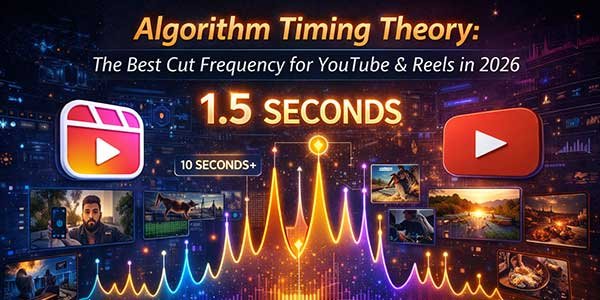
There isn’t one universal answer; however, there are many similarities between the most successful creators. Short-form videos do better when there are frequent changes (every 1.5 to 3 seconds), such as a new camera angle, adding text to, or adding animation to a textual screen, inserting a sound effect, using a meme, or simply showing a reaction. It doesn’t always mean that you make a hard cut – there are instances where gaming creators cut even more rapidly at the points of action than at other times, and educational/storytelling-type videos tend to be slightly slower to give viewers time to process the material.
Many students who are taking computer classes and doing editing see this difference at first glance. Beginners often create long pauses in their edited videos, as they think it looks more professional. However, many viewers interpret long pauses in an edited video as having no idea what was being said.
- This is in line with the theories of timing:
- Faster cuts when introducing the content.
- Slower cuts when providing a clear understanding.
- Speeding up again towards the conclusion to encourage the audience to watch it again.
This is crucial; rewatching increases the algorithmic trust of the content creator.
What Algorithms Actually Measure (Beyond Views)?
People believe that views on social media matter. They don’t. These days, platforms track micro analytics, which are indicators like how long a person pauses while watching what they watched on your video, how many times they replayed what was said in your video, when they commented about your video, and if they watched your video without using their fingers (by touching the screen). Editing is done at the right time so that the viewer doesn’t move from being disengaged; instead, they continue to be engaged.
In this regard, SMO strategies overlap nicely with editing. The traditional way of using social media to build your brand by using hashtags or favours has evolved. The rhythm of your editing now falls under social media optimization, because retention means distribution.
Digital marketers have known this for some time. The general guideline in digital marketing is to produce fewer videos, but fine-tuned edits, versus producing more videos, but ordinary edits. A single well-done or excellent-paced video is often better than several lesser-quality videos.
Many editors today learnt the skills they are using through practical video editing, versus theoretical learning alone. Knowing how to develop the story flow of a video and understanding how to use audio rhythm and the psychology of the viewer to your advantage will not only benefit the creator of the video but will also help any blogger, freelancer, and/or business owner.
Signs Your Editing Timing Is Wrong:
Many creators are unaware they have timing issues when they’re more concerned with making it look good visually than with figuring out what works in time. If the viewer comments, “Great video, but it’s too slow,” there is a timing issue. If multiple pieces of content see a drop-off in watch time at approximately the same time on each upload, the cuts are not quality. If viewers skip over the middle sections of multiple pieces of content, then the pacing on that portion has failed somewhere.
There may also be an influence from the software itself. Heavy transitions or unnecessary visual effects will make for heavier renders, and you lose your natural flow of the video because of that. While making great content is important, using simple editing software to create a video can lead to becoming a better creator. Knowing basic computer software programs can save the creator hours from guessing how to use computer programs; knowing how to use timelines, timeline markers, and/or syncing audio can save a lot of time from not having to try to guess.

Blogging & Creator Tips: Applying Algorithm Timing:
Theory More and more bloggers are making short films from their articles because relying on search engines for traffic is just not enough anymore. If you are doing this as well, you will have a greater use for timing theory.
Here are some tips to help you:
Hook Readers In Three Seconds:
Use a curiosity-based question, a shocking fact, or a gaming reference to attract the new reader.
Make Edits As If Conversing:
Get rid of breath and hesitation pauses during editing, since real-life conversations go at a quicker pace than most people think.
Movement Before Effects:
Use minimum-size zooms or subtitle animations when creating video segments, as this is more effective than using flashy transitions.
Divide Long Explanations:
When teaching technical or non-technical subjects, add examples or show how to do this on the screen.
Finish With Energy:
If your last few frames of video are slow-paced, the chance of someone replaying or passing this video will be diminished. Conversely, if you end strong, your chance of getting more comments and saved videos will increase.
Bloggers who combine writing ability with editing timing tend to get more exposure and grow faster than others who just write stories as if they are doing regular writing. This is because they already have the mindset of telling stories.
Gaming Influence on Modern Editing:
The editing trends of gaming culture have been shaping the way we create videos. The way we cut together highlights from fast-paced FPS games, meme reactions, and stream clips has trained audiences to anticipate rapid-fire stimulation. Now, even many educational channels are employing the pacing we see in games by cutting between quick asides and adding sound effects that go along with visual reactions or instant context changes. However, balance is crucial. If we create too many cuts within a video, viewers will become disoriented, as this isn’t the goal of editing. The goal of editing is to create rhythm. Visual agency is like the background music in a movie; if you have perfect music, then you won’t even notice it. Perfectly cut videos create the same experience.
Where Digital Marketing Meets Editing Skills?
Video communication is a significant part of digital marketing. Today, many brands share their messages through storytelling, rather than just traditional advertising.
For some students, taking a course in video editing can significantly impact their future, as businesses require editors who possess creativity and an understanding of the audience’s behaviour. Many students who take computer courses can potentially find themselves creating or editing video without any intention of doing so.
Freelancers who understand how algorithms respond to timing can develop and promote their skills more effectively. By showing how editing improves retention (engagement) through pacing, they can build a more compelling pitch for their freelance clients than a simple “I can edit.”
Many of the activities that occur during the development of a video project are significant to the quality of the final video as well.
Final Thoughts:
In 2026, when it comes to things like gaming highlights, blog videos, tutorials, and brand content, if your editor has an understanding of when to cut something, that person has more power than someone who knows all about bubbling effects to use on a video.
The success of growth strategies with SMO and blogging, as well as the ability to use digital marketing effectively, now rests upon how you edit your videos. In fact, many times the greatest upgrade that will happen to your videos will come from learning how humans watch, rather than from any new software and equipment purchase.
In 2026, content success is no longer based only on creativity — timing has become equally important. Algorithm Timing Theory focuses on how the frequency and placement of cuts directly influence audience retention on platforms like YouTube Shorts, Instagram Reels, and short-form video feeds. Modern algorithms analyze viewer behavior such as watch time, pauses, rewatches, and drop-off moments. Smart editors now design their cuts around attention spans, using faster transitions during high-energy moments and slower pacing when storytelling matters most. The goal is simple: keep viewers engaged without overwhelming them. Understanding when to cut, how long a shot should stay on screen, and how rhythm affects emotion can dramatically increase reach and engagement. Editors who master timing psychology alongside technical skills are gaining a competitive advantage, turning ordinary videos into highly watchable content that performs consistently across evolving digital platforms.
 About the Author:












Be the first to write a comment.