

Entering today’s digital marketplace can feel overwhelming. New brands are no longer competing with a handful of players; they are competing with hundreds of established voices, aggressive advertising, and consumers with increasingly short attention spans. Yet saturation does not mean impossibility. It simply means that strategy matters more than ever.
Positioning a new brand successfully requires clarity, consistency, and a carefully engineered digital presence. Below are the essential strategic principles that help emerging brands carve out space in a crowded environment and build long-term authority.
Table of Contents
1.) Define a Clear and Distinct Brand Identity:
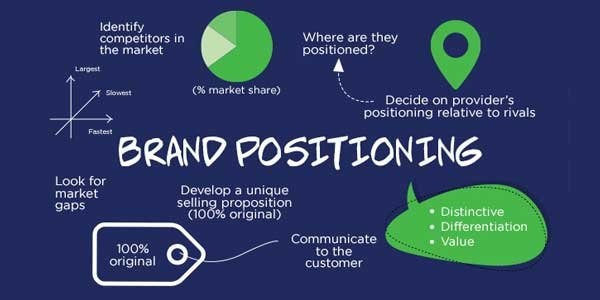
A brand without clarity blends into noise. Before thinking about campaigns, content, or advertisements, businesses must define their positioning core: who they serve, what they stand for, and what differentiates them.
Brand identity goes beyond logo and visuals. It includes tone of voice, value proposition, brand personality, and emotional promise. Research shows that strong positioning is rooted in differentiation, not by trying to be better than everyone else, but by being specific for a particular audience. When customers instantly understand what makes a brand unique, memorability follows naturally.
2.) Narrow Your Target Audience:
Mass appeal often results in minimal impact. In saturated markets, the brands that win are those that focus deeply rather than broadly.
A new brand should identify its ideal customer with precision: demographics, behaviors, pain points, and decision triggers. Digital analytics, competitor mapping, and customer interviews help refine this focus. Once defined, messaging becomes sharper, campaigns more efficient, and engagement significantly stronger. Narrow positioning does not limit growth; it accelerates it by establishing authority within a defined niche.
3.) Build Authority Through Value-Driven Content:
Content builds credibility before conversion. In digital environments, trust is currency. Educational blogs, insight-driven articles, and practical resources establish expertise while supporting SEO performance.
Strategic content should answer real questions customers are already searching for. Long-form articles, optimized headings, and structured keyword usage increase organic visibility. However, content must serve humans first and algorithms second. Practical value, clarity, and consistency will always outperform purely keyword-stuffed material. Publishing on industry topics, sharing research insights, and referencing credible sources strengthen perceived expertise. Over time, this creates a brand narrative built on knowledge rather than promotion.
4.) Leverage Strategic Brand Storytelling:
Stories humanize brands and create emotional positioning. Consumers do not only purchase services; they buy trust, reliability, and alignment with their values.
Effective storytelling involves communicating the origin story, the mission, and the measurable impact of the brand. Digital platforms allow brands to demonstrate behind-the-scenes processes, community engagement, and client success stories. When storytelling is authentic and consistent across platforms, it forms a memorable emotional anchor in the consumer’s mind. This is particularly important in competitive industries where services may appear similar at first glance. Emotional differentiation often becomes the deciding factor.
5.) Utilize Digital Positioning Signals:
Perception online is shaped by signals, not just statements. Website design, search engine presence, reviews, social proof, and professional presentation all reinforce positioning.
A brand’s website must clearly reflect its strategic focus. Clean design, persuasive copy, testimonials, and clear calls to action increase credibility instantly. For example, businesses in service-based industries must demonstrate both local expertise and specialization to stand apart from generic competitors. Partnering with professionals and building a strong digital footprint also improves long-term discoverability. Strategic internal linking, high-quality backlinks, and optimized service pages strengthen brand visibility in competitive searches.
6.) Maintain Consistency Across All Channels:
Consistency creates recognition. In saturated digital markets, repetition of the message and visuals builds familiarity.
Tone of voice, visual identity, and value proposition must remain aligned across website content, social media, email campaigns, and paid advertising. When brands frequently shift messaging, audiences struggle to remember what they represent. Consistent positioning does not mean stagnation — it means reinforcing the same core message through different formats. Over time, this repetition builds brand recall and trust, which are essential for long-term growth.
Conclusion: Strategy Over Saturation
Saturated digital markets reward brands that are precise, intentional, and audience-focused. Clear differentiation, focused targeting, value-driven content, and consistent storytelling collectively create strong positioning.
 About the Author:
Callum Hewitt is a business and property market writer focused on credibility, branding, and long-term positioning in competitive local industries. He analyzes how professionals strengthen trust, differentiate their services, and build sustainable client relationships, including insights on how a real estate agent in Mooloolah builds credibility within a close-knit community market.













This article offers a smart and strategic perspective on how to position a new brand effectively in a crowded digital landscape. The practical insights on differentiation, audience targeting, and consistent messaging make it a highly valuable guide for building a strong and memorable brand presence.
Welcome here and thanks for reading our article and sharing your view. This will be very helpful to us to let us motivate to provide you with more awesome and valuable content from a different mind. Thanks again.
Great points on brand positioning! I’ve found that focusing on a specific micro-niche is often the best way to stand out when a market feels too crowded. Thanks for sharing these helpful insights.
Welcome here and thanks for reading our article and sharing your view. This will be very helpful to us to let us motivate to provide you with more awesome and valuable content from a different mind. Thanks again.